Rubberwood – A Green Material for Wooden Housewares
The rubber tree (Hevea brasiliensis) is closely tied to Vietnam's Southeast region and Central Highlands...
The rubber tree's second life
The rubber tree (Hevea brasiliensis) is closely tied to Vietnam's Southeast region and Central Highlands. After about 25–30 years of latex tapping, the trees are no longer productive and are cleared for replanting. Instead of being burned, the trunks are sawn into lumber and begin a second life as familiar housewares in every home.
Properties of rubberwood
Rubberwood has an ivory to pale yellow color with a fine, even grain, giving it a bright, modern look. It is moderately hard and tough, and it is easy to saw, turn, bend and sand. The surface takes oil and stain well, so it can keep its natural color or be stained in darker tones to suit the design.
Because the wood is rich in sugars and starch, rubberwood must be properly treated and kiln-dried to protect it from insects and mold. Once well treated, it warps little and stays durable. An abundant supply keeps its price very competitive.
Rubberwood cutting boards and trays

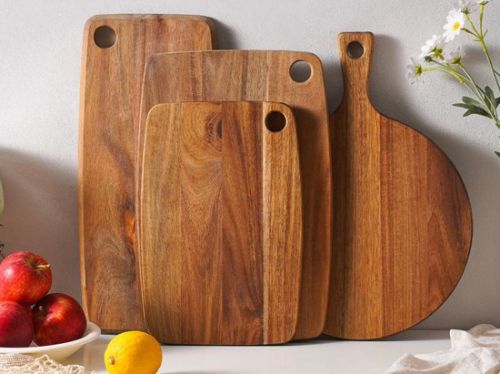
Rubberwood cutting boards are usually made from many small strips joined with food-safe glue. Their moderate hardness is gentle on knives, stands up to daily chopping and slicing, and stays durable as long as the board is kept dry. Rubberwood boards are affordable, which suits most households.
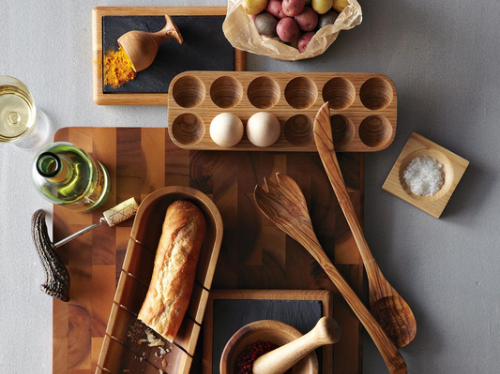
With their soft, light tone, rubberwood trays pair beautifully with Scandinavian and minimalist styles. They are used for serving food, carrying tea, holding sweets or as decorative trays on a table.
Spoons, kitchen utensils and boxes

Because it is easy to turn and shape, rubberwood is widely used for spoons, spatulas, ladles, pestles and rolling pins. The utensils are light in the hand, don't conduct heat and won't scratch non-stick pans.
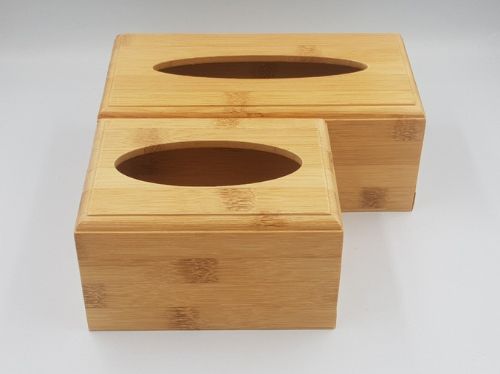
Rubberwood boxes come in many styles: spice boxes, tea caddies, cutlery holders, tissue boxes and gift boxes. The light-colored surface is ideal for laser engraving or logo printing, making it a popular choice for large corporate gift orders.
Children's items and other accessories
Rubberwood is a popular material for wooden toys and children's weaning tableware. The wood has no strong smell, sands to a smooth finish with few splinters, and is very safe when finished with certified oils or water-based coatings.
Rubberwood is also used for spice racks, utensil holders, coasters, hooks and many small accessories that make the kitchen tidier and cozier.
Care and closing thoughts
To keep rubberwood housewares looking good and lasting long, users should:
Hand wash quickly with warm water and mild soap; don't leave the item soaking.
Don't use a dishwasher or microwave.
Dry right away and store in a well-ventilated place, since rubberwood is more prone to mold than oily woods.
Regularly apply food-safe mineral oil or beeswax.
With its renewable origin from trees that have finished producing latex, its bright, attractive color and its reasonable price, rubberwood is a smart and eco-friendly choice. Every rubberwood piece is a way for the rubber tree to keep serving people, this time right in your kitchen.