Acacia Wood – An Ideal Material for Wooden Housewares
Acacia is widely planted in Vietnam, most commonly earleaf acacia (Acacia auriculiformis), mangium (Acacia mangium) and hybrid acacia...
Acacia wood enters the modern kitchen
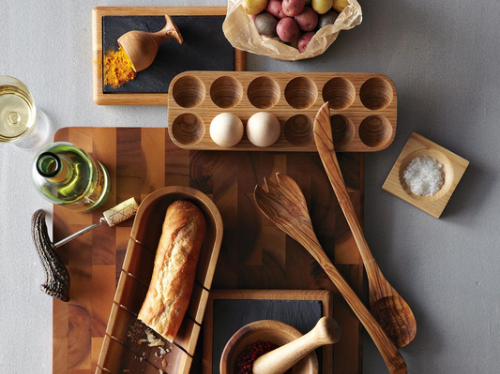
In recent years, wooden housewares have gradually been replacing plastic and metal in many kitchens. Consumers are turning to wood for its safety, natural beauty and the spirit of green living. Among the many types of wood available, acacia stands out as a choice that balances quality, aesthetics and price. From cutting boards and serving trays to rice paddles and spice boxes, acacia wood is becoming an ever more familiar part of daily life.
Why acacia wood suits housewares
Acacia is widely planted in Vietnam, most commonly earleaf acacia (Acacia auriculiformis), mangium (Acacia mangium) and hybrid acacia. The trees grow quickly and are harvested in rotation, so the raw material supply is stable and puts no pressure on natural forests. Many plantation areas have earned FSC certification for sustainable forest management, helping products reach demanding markets.
In terms of properties, acacia wood is moderately hard, has a fine grain and warps little when properly kiln-dried. Its color ranges from pale yellow in the sapwood to a warm brown in the heartwood, creating a beautiful natural grain with no need for staining. The wood is easy to saw, turn and sand, and it takes oil well, which suits both mass production and fine handcrafting. Just as important, acacia costs far less than walnut, oak or teak, putting its products within reach of more households.
Acacia cutting boards: durable and gentle on knives

Cutting boards are the most iconic use of acacia wood. Its moderate hardness lets a board withstand daily chopping and slicing without dulling the blade the way glass or stone boards do. The tight grain limits how deeply water and food juices soak in, so the board is less prone to mold and holds fewer odors.
Acacia cutting boards are usually made in two styles: edge-grain strips glued along the grain, or end-grain blocks forming a checkerboard pattern. End-grain boards can "self-heal" knife marks and are a favorite of professional chefs. A cutting board's surface should only be finished with food-grade mineral oil or beeswax, and never coated with lacquer or paint.
Acacia trays: practical and decorative

Acacia trays appear in every setting, from tea trays and Lunar New Year candy trays to breakfast-in-bed trays and European-style cheese and charcuterie boards. The warm wood grain makes the colors of food stand out, so acacia trays are a favorite of restaurants, cafés and food lovers who like to photograph their meals.
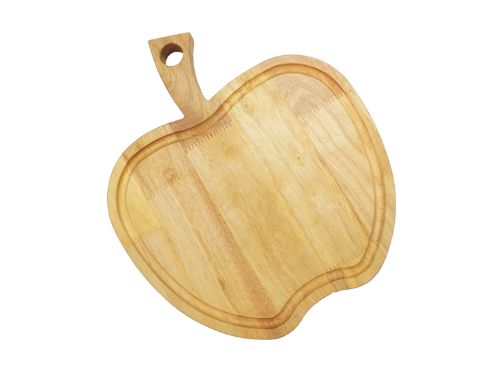
Because the wood is easy to work, makers can shape trays in many forms: rectangular with handles, round, oval or leaf-shaped. The surface also takes laser-engraved logos easily, which makes acacia trays a great fit for corporate gifts.
Spoons, chopsticks and kitchen utensils

Acacia spoons, spatulas, rice paddles, soup ladles and serving tongs are small items, but they are the ones used most often. Wood conducts heat poorly, so the handle stays cool while you stir food on the stove. Wood is also softer than metal, so it won't scratch the coating of non-stick pans, extending the life of your cookware.
For chopsticks and eating spoons, acacia feels light and warm in the hand and leaves no metallic taste. It is also a safe choice for children's weaning tableware, as long as the pieces are sanded smooth and finished with food-safe oil.
Acacia boxes: neat and refined

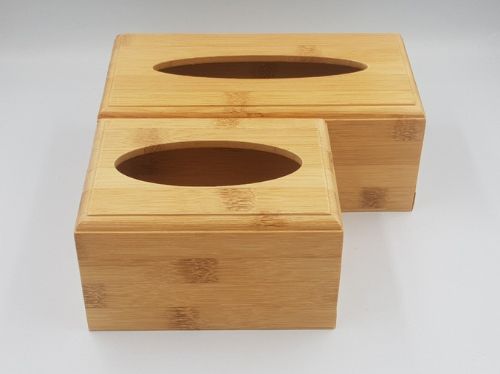
Acacia boxes serve many purposes: spice boxes, tea caddies, cutlery holders, tissue boxes, jewelry boxes and premium gift boxes. Acacia holds its shape well, so mortise joints, hinges and sliding lids all work smoothly and fit snugly.
Wooden boxes help buffer humidity slightly, keeping tea, coffee and dry spices fragrant for longer. Paired with glass lids, bamboo lids or inner dividers, an acacia box keeps things organized while adding character to a kitchen corner or desk.
Proper care and closing thoughts
To keep acacia housewares looking good over time, users only need to follow a few simple tips:
Hand wash with warm water and mild soap; don't leave the item soaking.
Don't put it in the dishwasher or microwave.
Dry it right away and store it in a cool, airy place away from harsh sunlight.
Regularly apply a thin layer of mineral oil or beeswax to keep the wood from drying out and cracking.
With an abundant raw material supply, stable mechanical properties, beautiful grain and a reasonable price, acacia truly deserves to be a mainstay material of the wooden housewares industry. Every cutting board, tray or box is more than a utensil: it carries the story of Vietnam's planted forests and the skilled hands of its craftspeople. Choosing acacia wood means choosing a lifestyle close to nature, safe for your family and responsible toward the environment.